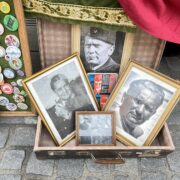
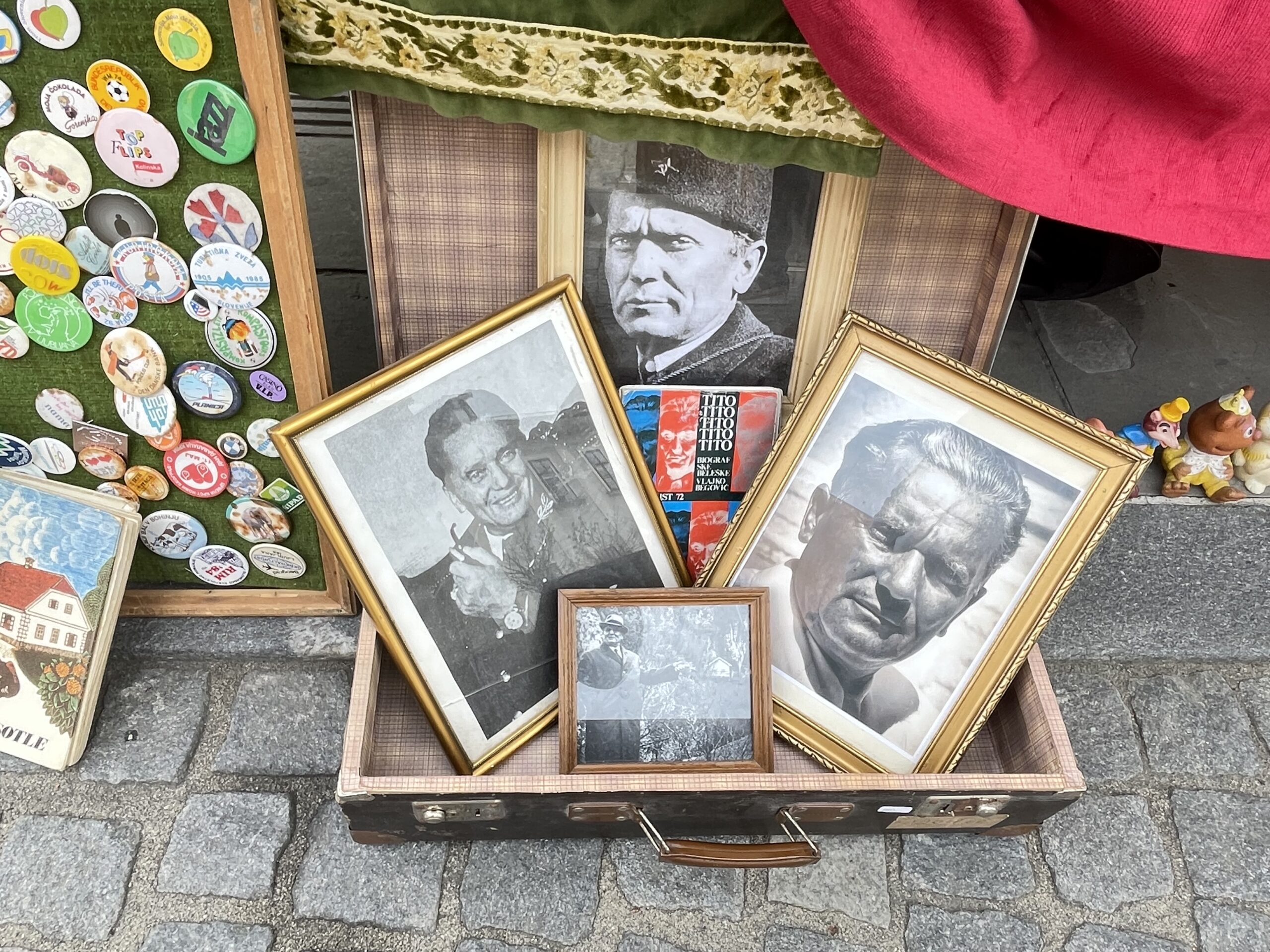
Tito in Ljubljana remains a fascinating topic for visitors interested in Yugoslav history, the Cold War, and Slovenia’s journey to independence. More than four decades after his death and over thirty years after the breakup of Yugoslavia, Josip Broz Tito continues to shape discussions about the history, architecture, and identity of Ljubljana.
Many travellers arrive in Slovenia knowing little about Tito. Others come specifically searching for a Tito tour in Ljubljana or hoping to understand what life was like in Yugoslavia. While statues and monuments to Tito are less visible today than in some parts of the former Yugoslavia, his legacy can still be discovered throughout the Slovenian capital.
Who Was Tito and Why Is Tito in Ljubljana Important?
Josip Broz Tito was the leader of Yugoslavia from the end of World War II until his death in 1980. Visitors interested in learning more about his life and political career can explore the detailed biography published by the Encyclopaedia Britannica. World War II until his death in 1980.
Unlike many communist leaders of the twentieth century, Tito followed an independent path. In 1948, Yugoslavia broke with Stalin and the Soviet Union, creating a unique socialist system that combined state ownership with greater openness to Western Europe.
This distinctive position shaped everyday life throughout Yugoslavia, including in Ljubljana. Citizens could travel abroad more freely than in many Eastern Bloc countries, Western music and films were available, and Yugoslavia became one of the founding members of the Non-Aligned Movement.
For visitors exploring Ljubljana today, understanding Tito is often the first step toward understanding modern Slovenian history.
Tito in Ljubljana During the Yugoslav Era
When Tito led Yugoslavia, Ljubljana was the capital of the Socialist Republic of Slovenia, one of the federation’s six republics.
The city underwent significant changes during these decades. New neighbourhoods, office buildings, cultural institutions, sports facilities, and public spaces transformed Ljubljana into a modern European capital.
Many of the places locals use every day were built or expanded during the Yugoslav period.
Unlike some cities where Tito’s presence is represented by large monuments, Tito’s Ljubljana is often revealed through architecture, urban planning, and the stories of people who lived during that time.
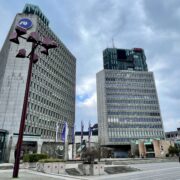
Tito in Ljubljana and Republic Square
One of the most important locations connected to Tito’s era is Republic Square.
Surrounded by modernist buildings and political institutions, the square became a symbol of socialist Ljubljana. During the Yugoslav period, it reflected the ambitions and confidence of a rapidly developing society.
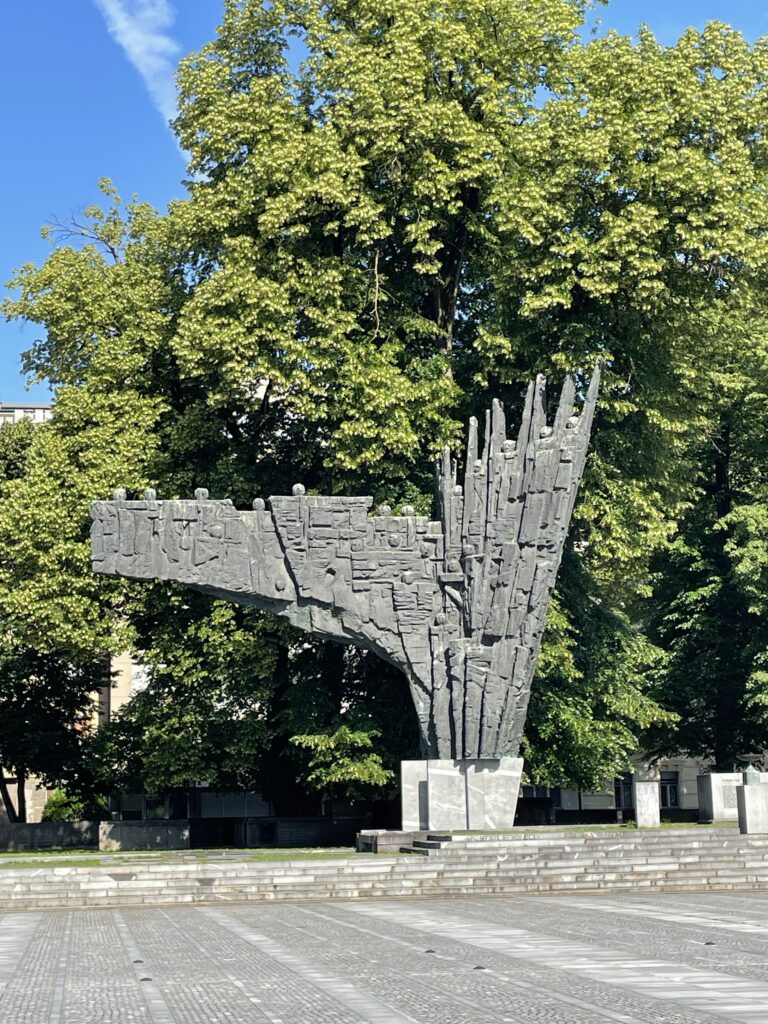
Today, Republic Square carries a double meaning. It represents both the Yugoslav period and the historic events that led to Slovenia’s independence in 1991.
For visitors interested in Tito and Yugoslav history, it remains one of the most significant places in Ljubljana.
Architecture from Tito’s Time in Ljubljana
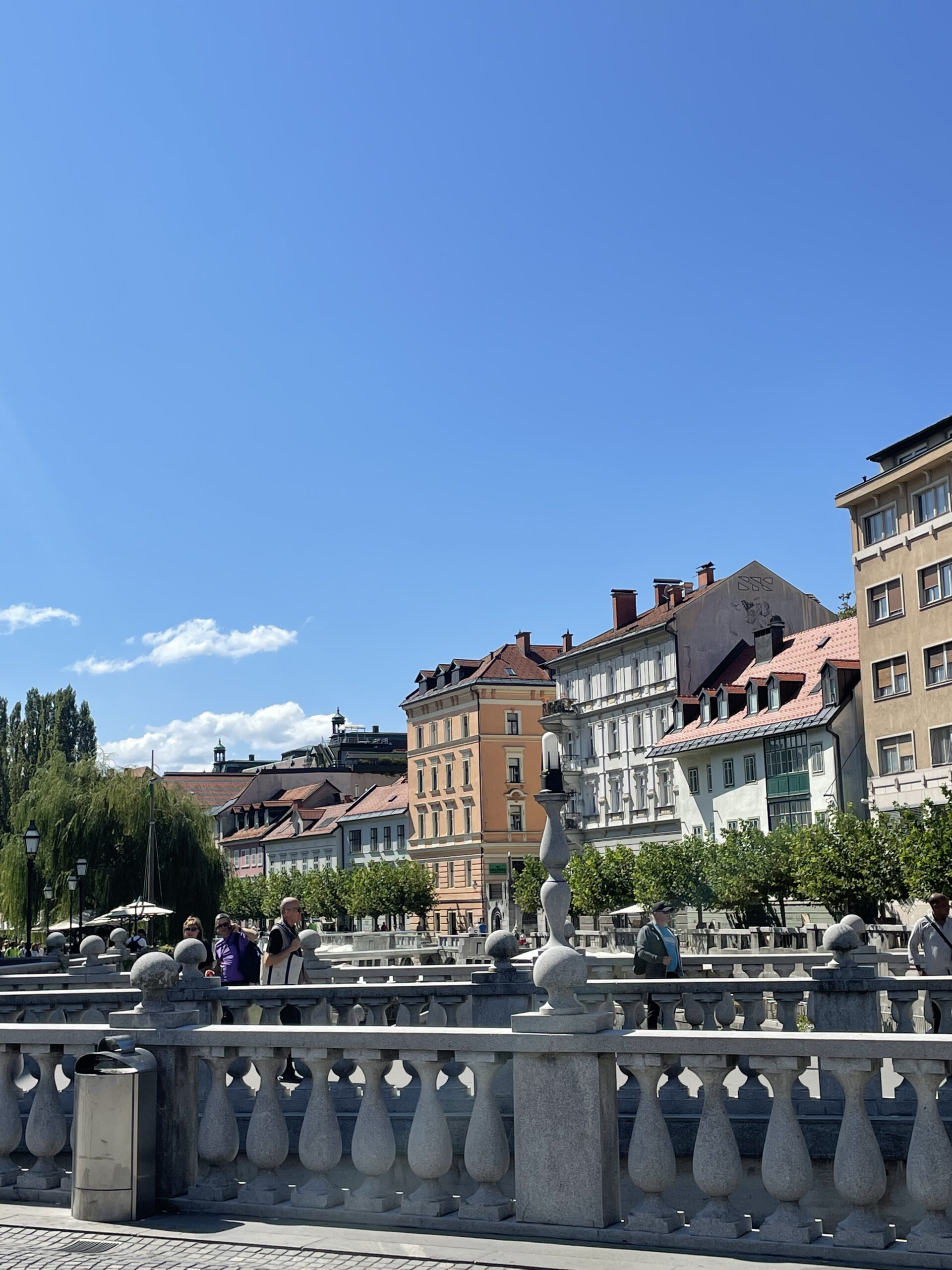
Most tourists spend their time around Prešeren Square, the Triple Bridge, and Ljubljana Castle.
Yet Tito’s Ljubljana can often be found beyond the postcard landmarks.
Areas such as Ajdovščina, the Parliament district, Šiška, and parts of the city developed during the socialist period reveal another chapter of Ljubljana’s story.
Modernist office buildings, residential complexes, and public institutions continue to shape the city’s appearance today.
Looking at Ljubljana through this lens allows visitors to understand how the city evolved during the second half of the twentieth century.
What Was Everyday Life Like Under Tito?
One of the questions guides hear most often is whether life under Tito was good or bad.
The answer depends on who you ask.
Many Slovenians remember stable employment, affordable housing, public healthcare, and summer holidays along the Adriatic coast. Others remember political limitations, economic challenges, and restrictions associated with a one-party system.
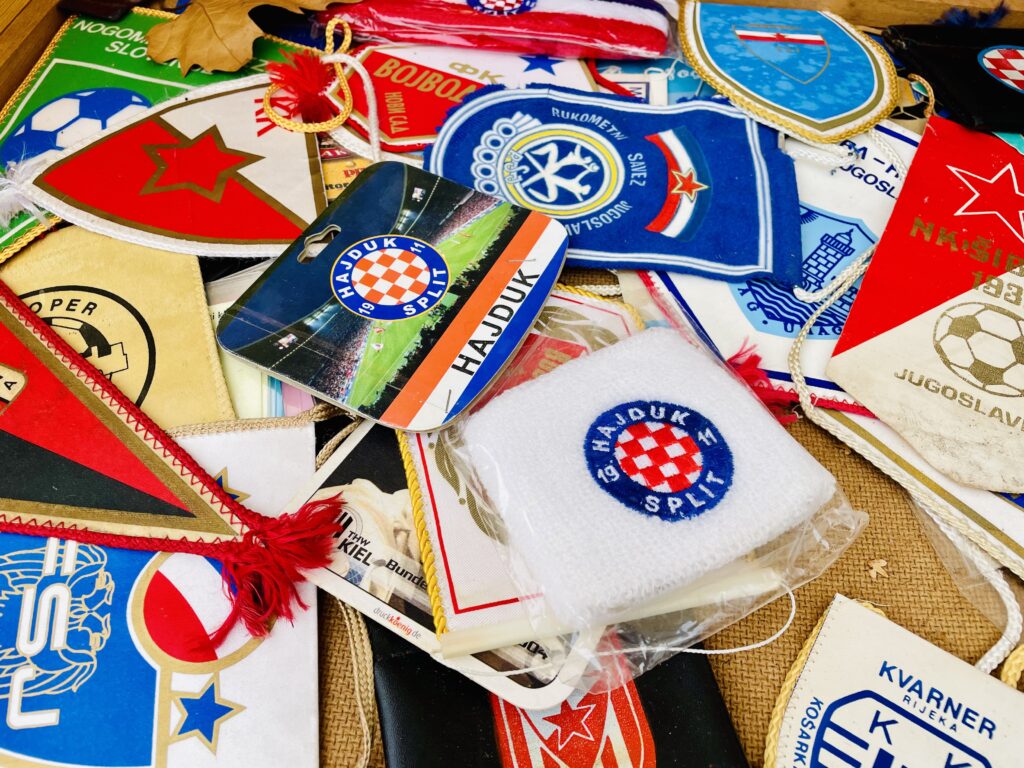
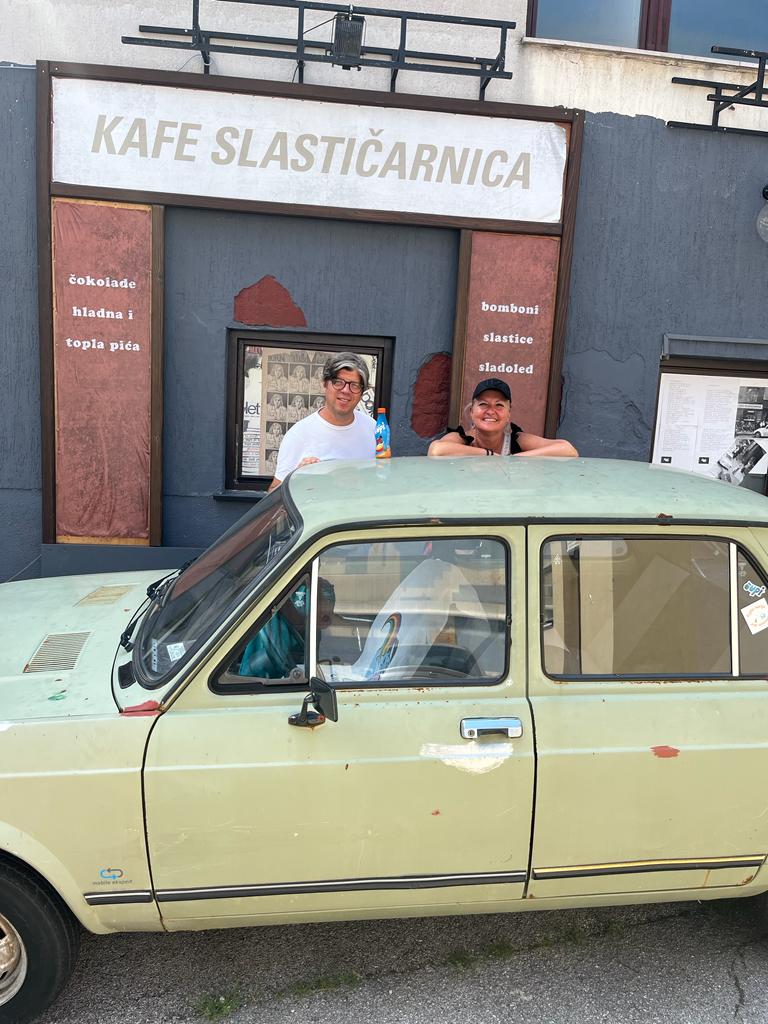
For most people, memories of Yugoslavia are not only political. They are also connected to music, sports, education, friendships, family traditions, and everyday experiences.
This complexity is one of the reasons Tito continues to attract interest among visitors to Ljubljana.
Why Visitors Search for Tito in Ljubljana
Tito remains one of the most recognizable figures in twentieth-century European history.
Some travellers are interested in Cold War politics. Others are curious about socialist architecture, everyday life behind the Iron Curtain, or the history of a country that no longer exists.
Many visitors are surprised to discover that Yugoslavia occupied a unique position between East and West and that Slovenia developed differently from many other socialist countries.
Tito’s story provides a fascinating introduction to these themes.
What Remains of Tito in Ljubljana Today?
Although Slovenia has changed dramatically since independence, Tito’s era remains visible throughout Ljubljana.
Visitors can discover traces of this period in:
- Republic Square
- The Parliament area
- Modernist architecture
- Residential neighbourhoods developed during socialism
- Tivoli Hall and Yugoslav sports culture
- Stories and memories shared by local residents
Visitors wishing to explore the broader history of Slovenia during the twentieth century may also find the Museum of Contemporary and Contemporary History of Slovenia a valuable resource.
These reminders are often subtle, but together they help explain how Ljubljana became the city it is today.
For many visitors, learning about Tito is not simply about politics. It is about understanding the people, places, and events that shaped modern Slovenia.
Exploring Tito’s Ljubljana offers a deeper perspective on the city beyond its famous bridges, dragons, and castles.
Whether you are interested in Yugoslav history, socialist architecture, Cold War Europe, or everyday life in the former Yugoslavia, Ljubljana provides a unique opportunity to discover a chapter of history that continues to influence the city today.
Related Articles
- Communist Ljubljana: The Truth About Tito’s Socialist Capital
- Socialist Architecture in Ljubljana: A Different Side of the City
- Everyday Life in Yugoslavia: What Was It Really Like?
- Sports and Music in Yugoslav Ljubljana
Frequently Asked Questions About Tito in Ljubljana
Who was Tito?
Josip Broz Tito was the leader of Yugoslavia from 1945 until his death in 1980 and remains one of the most influential figures in the history of the Balkans.
Can you still see Tito’s legacy in Ljubljana?
Yes. Tito’s legacy can be seen in Ljubljana’s architecture, public spaces, neighbourhoods, sports facilities, and the memories of people who lived during the Yugoslav period.
Is there a Tito tour in Ljubljana?
Yes. Several specialized tours focus on Tito, Yugoslav history, socialist architecture, and everyday life during the Yugoslav period.
Why is Tito important to Slovenia?
Tito played a central role in the history of Yugoslavia, of which Slovenia was a part until 1991. Understanding Tito helps visitors better understand Slovenia’s twentieth-century history and path to independence.
About the Authors
Nina Regina and Primož Regina are licensed tourist guides in Ljubljana and founders of Authentic Ljubljana Tours.
Born and raised in Ljubljana, both experienced life in Yugoslavia before Slovenia’s independence in 1991. Nina holds a Master’s degree in Sociology of Culture and specializes in social history, architecture, gastronomy, and everyday life. Primož is an economist, sports enthusiast, and expert on Yugoslav history, architecture, sports culture, and daily life in socialist Slovenia.
Through their work with Authentic Ljubljana, they help travelers understand the people, places, and stories that shaped Ljubljana during the Yugoslav period and beyond.
Learn more about our background, experience, and connection to Ljubljana on our and Our Story pages.